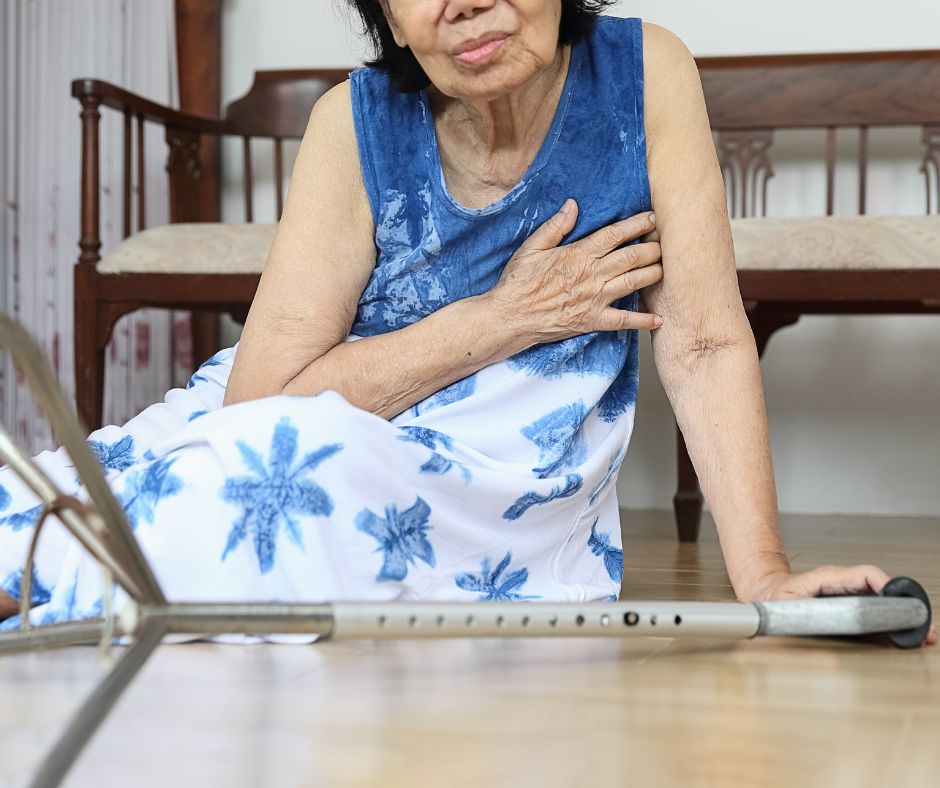
As our loved ones age, it’s natural to worry about their safety and well-being. One of the biggest concerns for elderly individuals is the risk of falls in the home. According to the National Council on Aging, falls are the leading cause of fatal and non-fatal injuries for older adults. However, the good news is that many falls can be prevented with the right precautions and strategies.
As a caregiver, it’s important to take proactive steps to prevent falls in the home. Here are some practical tips and strategies to help keep your elderly loved ones safe and independent:
- Create a Safe Living Environment
The first step in preventing falls is to ensure that the living environment is safe and free from hazards. This includes removing clutter and tripping hazards from walkways, securing loose rugs and carpets, and installing grab bars and handrails in high-risk areas such as the bathroom and stairs. It’s also important to have adequate lighting throughout the house, especially in hallways and stairways. - Encourage Regular Exercise
Regular physical activity can help improve balance, strength, and flexibility, all of which are crucial in preventing falls. Encourage your loved ones to engage in low-impact exercises such as walking, swimming, or tai chi. These activities can also help improve their overall health and well-being. - Review Medications
Some medications can cause dizziness or drowsiness, increasing the risk of falls. It’s important to review your loved one’s medications with their doctor and make sure they are taking them as prescribed. If necessary, adjustments can be made to reduce the risk of side effects. - Stay on Top of Vision and Hearing Checks
Poor vision and hearing can also contribute to falls. Make sure your loved ones have regular check-ups and wear their glasses or hearing aids as prescribed. If necessary, make modifications to the home such as increasing lighting or using contrasting colours to make objects easier to see. - Assistive Devices
If your loved one has difficulty with balance or mobility, consider using assistive devices such as a cane or walker. These can provide additional support and stability, reducing the risk of falls. - Educate Your Loved Ones
It’s important to have open and honest conversations with your loved ones about the risk of falls and the steps they can take to prevent them. Encourage them to speak up if they feel unsteady or have any concerns. Remind them to take their time and not rush when getting up from a chair or bed. - Regular Home Safety Checks
Performing regular home safety checks can help identify potential hazards and prevent falls. Make sure to check for loose handrails, slippery floors, and any other potential hazards. It’s also a good idea to install smoke detectors and carbon monoxide detectors to ensure the safety of your loved ones. - Seek Professional Help
If you’re concerned about your loved one’s risk of falls, don’t hesitate to seek professional help. A doctor or physical therapist can provide a fall risk assessment and recommend specific exercises or modifications to reduce the risk of falls.
Falls in the home are a common and preventable issue for elderly individuals. By taking these proactive steps and implementing these strategies, you can help keep your loved ones safe and independent. Remember to regularly review and update safety measures as needed. With a little effort and attention, you can help prevent falls and ensure the well-being of your elderly loved ones.