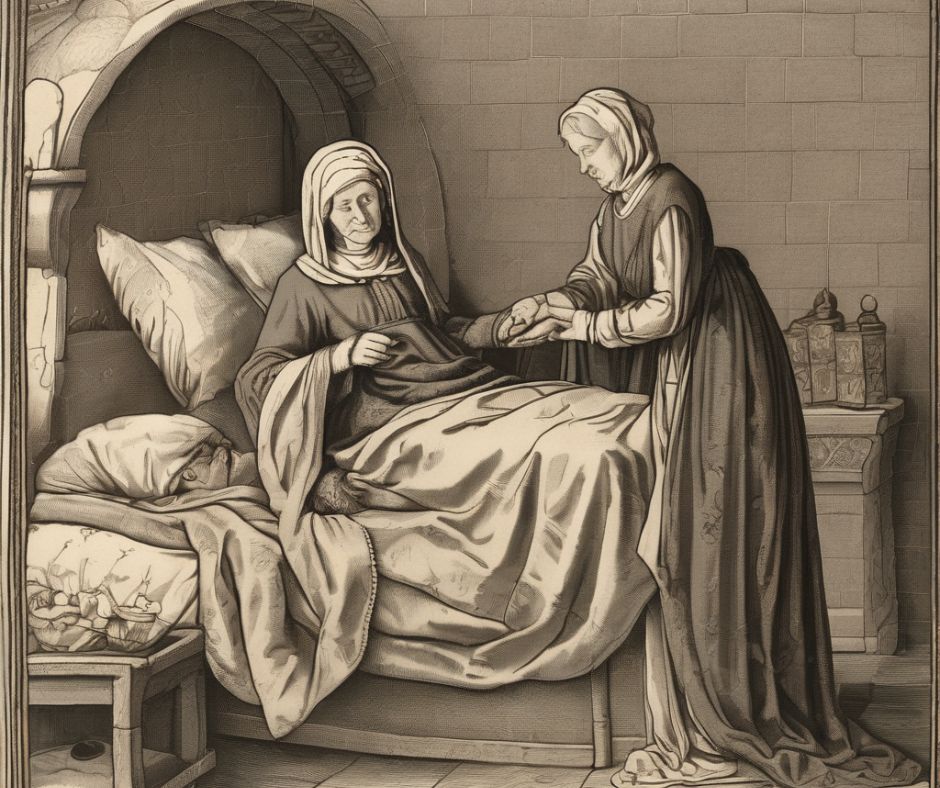
The first recorded instance of home care was in the 13th century, when a monk named Brother Giles of Assisi provided care to the sick and elderly in their homes.
The Industrial Revolution led to a decline in home care, as people moved to cities and factories. However, the Victorian era saw a revival of home care, as charities began to provide care to the poor.
The National Health Service Act of 1948 made it the responsibility of the government to provide home care to those who needed it.
The introduction of Direct Payments in 1997 gave individuals more control over their care budgets, allowing them to choose the services that best met their needs.
Today, home care is a vital part of the health and social care system, supporting people to live independently and with dignity in their own homes.
Charity and the Poor Law
In the early days, home care was largely the domain of charities, often religious in nature. These organisations provided essential support to the poor, sick, and elderly, offering food, clothing, and basic medical care. The Victorian era saw a proliferation of such charities, with hundreds operating in London alone.
The Poor Law of 1834 marked a shift in the approach to poverty relief, centralising the provision of care and introducing the much-maligned workhouses. While intended to deter dependency, workhouses often provided substandard care and were viewed as a last resort.
State-Funded Care
The aftermath of World War II brought about significant changes in the provision of home care. The National Assistance Act of 1946 made it the responsibility of local authorities to provide care for those who could not afford it. This marked a major shift towards state-funded home care, although charities continued to play a vital role.
Community care became increasingly important as post-war Britain faced a shortage of resources for building hospitals and care homes. Immigration also played a role, with skilled nurses from the Commonwealth contributing to the growing home care workforce.
Modern Home Care:
The latter half of the 20th century saw further developments in home care, with a growing emphasis on professionalisation and the rights of individuals receiving care. The introduction of Direct Payments in 1997 gave individuals more control over their care budgets, allowing them to choose the services that best met their needs.
Today, home care is a diverse and dynamic sector, offering a wide range of services from personal care to complex medical needs. It has become an integral part of the health and social care system, supporting people to live independently and with dignity in their own homes.
Challenges and Opportunities
The demand for home care is growing as the population ages and people with complex needs choose to remain in their communities. This presents both challenges and opportunities for the sector.
One of the main challenges is the recruitment and retention of skilled care workers. The demanding nature of the work, coupled with relatively low pay, has led to staff shortages in some areas.
Technology is playing an increasingly important role in home care, with remote monitoring systems enabling people to stay safe and connected. There is also a growing demand for personalised care plans that cater to the individual needs and preferences of each person.
The Future of Home Care
Home care is likely to continue to evolve and adapt to the changing needs of society. The integration of technology, the focus on personalised care, and the ongoing debate about funding will all shape the future of this essential service.
The history of home care is a testament to the resilience and compassion of those who have dedicated themselves to caring for others. As we celebrate the achievements of the past, we must also look ahead and embrace the challenges and opportunities that lie ahead. Home care has come a long way, and its future looks bright.