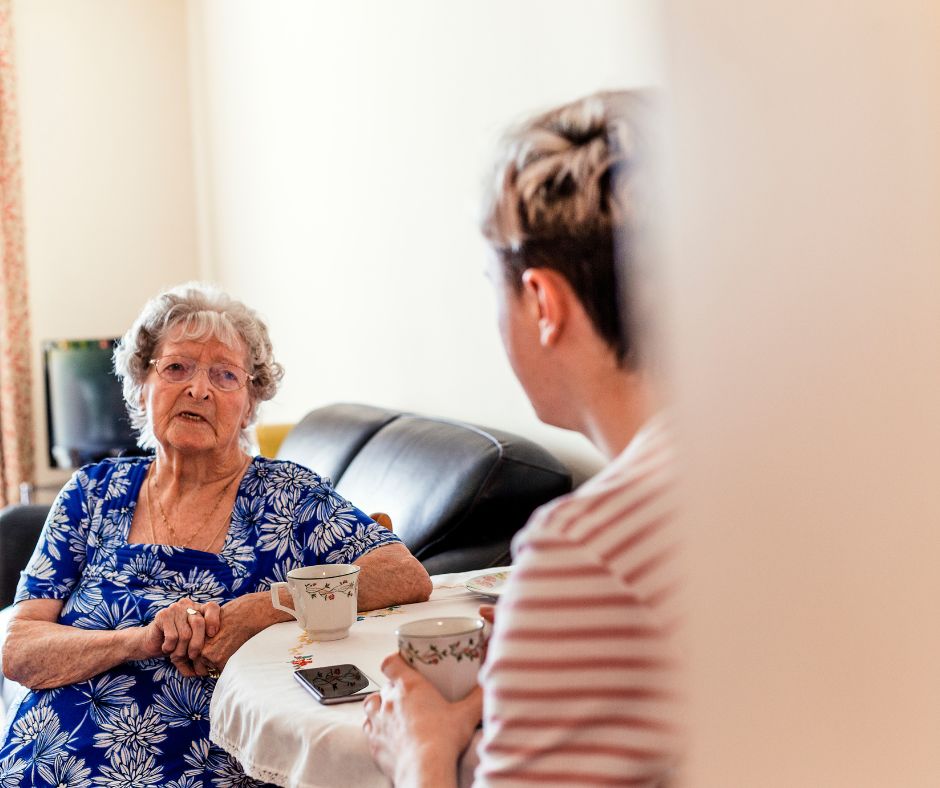
As our loved ones age, their health and abilities may decline, making it necessary for them to receive additional care and support. This can be a difficult reality for both the elderly individual and their family members. However, discussing the need for home care is an important step in ensuring their safety and well-being. Here are some tips on how to approach this conversation with your elderly loved ones.
Choose the Right Time and Place
When discussing sensitive topics like home care, it is crucial to choose the right time and place. It is best to have this conversation in a quiet and comfortable setting where your loved one feels at ease. Avoid bringing up the topic during a busy or stressful time, as this can cause unnecessary tension. It is also important to have this conversation when your loved one is feeling well and in a positive mindset.
Understand Their Needs
Before approaching the topic of home care, take the time to understand your loved one’s needs. This will help you have a more informed and productive conversation. Consider their daily routines, any medical conditions they may have, and their current level of independence. This will also help you determine what type of home care services would be most beneficial for them.
Be Empathetic and Listen
It is essential to approach this conversation with empathy and understanding. Your loved one may feel anxious, scared, or even resistant to the idea of home care. Listen to their concerns and validate their feelings. Show them that you care and that you are there to support them. This will help them feel more comfortable and open to discussing their needs.
Involvement in the Decision-Making Process
When discussing home care, it is crucial to involve your loved one in the decision-making process. This will help them feel more in control of their care and give them a sense of autonomy. Ask for their input and preferences, and consider their wishes when choosing a home care provider. This will also help them feel more comfortable with the idea of receiving outside help.
Offer Practical Solutions
If your loved one is resistant to the idea of home care, offer practical solutions to address their concerns. For example, if they are worried about the cost, research different payment options or government-funded programmes that may be available. If they are concerned about losing their independence, assure them that home care can actually help them maintain their independence by providing support with daily tasks.
Seek Professional Guidance
If you are struggling to have this conversation with your loved one, consider seeking professional guidance. A therapist or counselor can provide you with support and advice on how to approach this delicate topic. They can also help you and your loved one navigate any emotional challenges that may arise during this process.
Discussing the need for home care with elderly loved ones can be a challenging and emotional experience. However, it is a necessary conversation that requires sensitivity and understanding. By choosing the right time and place, understanding their needs, and involving them in the decision-making process, you can approach this conversation with compassion and care. Remember to listen to their concerns and offer practical solutions, and don’t be afraid to seek professional guidance if needed. With love and understanding, you can help your elderly loved one receive the care and support they need to live a safe and fulfilling life.