Technology has revolutionised every aspect of our lives, and elderly care is no exception. With the ageing population growing, innovative solutions are essential to support seniors in maintaining their independence, health, and quality of life. This blog explores the various ways technology is transforming elderly care, making it more efficient, effective, and compassionate.
Enhancing Independence with Smart Home Devices
Smart home devices have become a cornerstone in elderly care, providing seniors with the tools they need to live independently. These devices range from simple automated lights to complex home monitoring systems.
Smart Speakers and Assistants
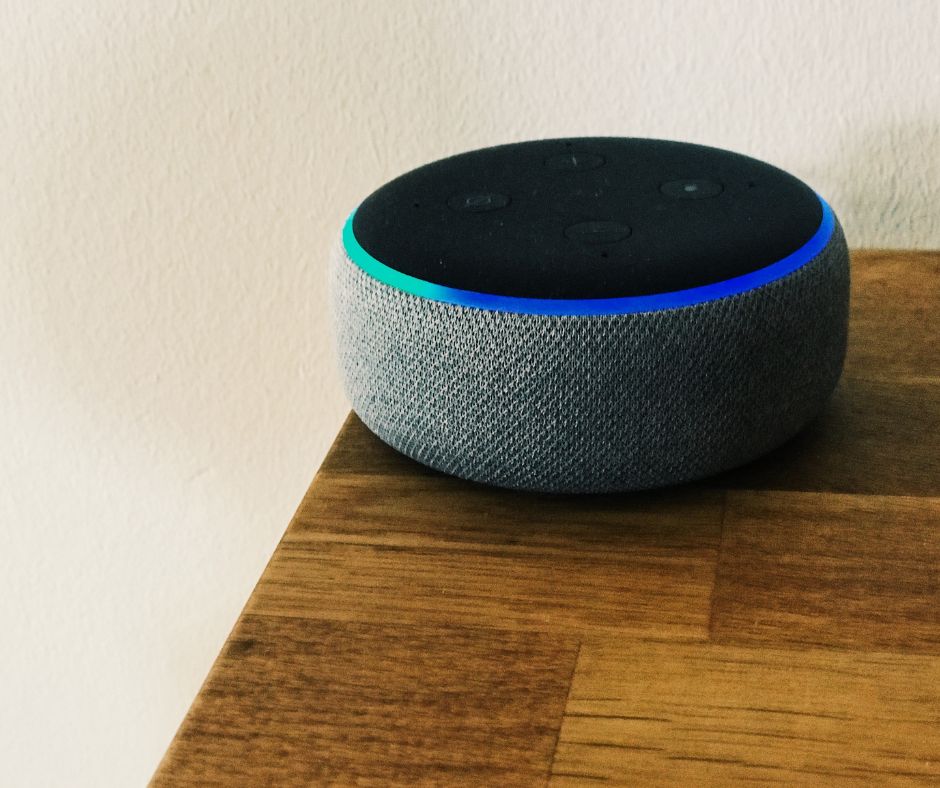
Smart speakers like Amazon Echo and Google Home offer more than just music and weather updates. They assist seniors with daily tasks, such as setting reminders for medication, making grocery lists, or even contacting family members through voice commands. This hands-free technology reduces the need for physical effort, which is particularly beneficial for those with mobility issues.
Automated Lighting and Thermostats
Automated lighting systems enhance safety by illuminating pathways automatically, reducing the risk of falls. Similarly, smart thermostats adjust the home temperature based on the senior’s preferences and routines, ensuring comfort without the need to fiddle with controls.
Health Monitoring and Emergency Response
Wearable devices and home monitoring systems play a critical role in health management for the elderly. These technologies not only track vital signs but also provide immediate alerts in case of emergencies.
Wearable Health Monitors
Devices like Fitbit and Apple Watch can monitor heart rate, sleep patterns, and physical activity levels. They send alerts to caregivers if any irregularities are detected, enabling quick intervention. For instance, if a senior experiences an abnormal heart rate, the device can notify both the wearer and their caregiver, prompting a medical check-up.
Emergency Response Systems
Personal emergency response systems (PERS) offer peace of mind for both seniors and their families. These systems, often worn as pendants or bracelets, allow the user to call for help at the push of a button. Advanced models can detect falls automatically and contact emergency services even if the wearer is unable to do so.
Connecting with Loved Ones Through Communication Technology
Staying connected with family and friends is crucial for the emotional well-being of seniors. Technology bridges the gap, making it easier for elderly individuals to maintain relationships despite physical distances.
Video Calling and Social Media
Platforms like Skype, Zoom, and Facebook enable seniors to see and speak with their loved ones regularly. Video calls provide a more personal connection compared to traditional phone calls, allowing family members to see and interact with each other, which is especially comforting for those who live far apart.
Virtual Communities and Support Groups
Online communities and support groups offer a space for seniors to share experiences and seek advice. These platforms connect individuals with similar interests or health conditions, fostering a sense of belonging and support. For example, a senior dealing with arthritis can join a forum to discuss coping strategies and find encouragement from others facing the same challenges.
Addressing Mental Health with Cognitive Technologies
Mental health is a vital aspect of overall well-being, and technology offers tools to support cognitive function and emotional health in the elderly.
Cognitive Training Apps
Apps like Lumosity and BrainHQ provide games and exercises designed to stimulate the brain. These cognitive training tools help improve memory, attention, and problem-solving skills, contributing to mental sharpness and delaying the onset of cognitive decline.
Virtual Reality Therapy
Virtual reality (VR) is emerging as a therapeutic tool for seniors. VR experiences can reduce feelings of loneliness and depression by providing immersive environments that offer relaxation and escapism. For example, a senior can “visit” a beach or a forest, enjoying the sights and sounds without leaving their home.
Embracing the Future of Elderly Care
The integration of technology into elderly care is not just a trend but a necessity. As advancements continue, these tools will become even more sophisticated, offering greater support for seniors and their caregivers. Embracing these innovations ensures that elderly individuals can lead healthier, more connected, and independent lives.
By adopting these technologies, we can transform the landscape of elderly care, making it more responsive and attuned to the needs of our ageing population. The future holds great promise, and with the right tools, we can ensure that our seniors live their golden years with dignity and joy.