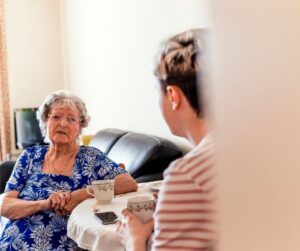
The landscape of elderly homecare is evolving rapidly, influenced by technological advancements, demographic shifts, and changing societal attitudes. As the population ages and the demand for high-quality care increases, understanding the future of elderly homecare becomes crucial. This blog explores the key trends and innovations shaping the future of elderly homecare, offering a glimpse into what lies ahead.
Technological Innovations: A Game Changer
One of the most significant factors shaping the future of elderly homecare is technology. From telehealth services to smart home devices, technology is revolutionising how care is delivered and experienced.
Telehealth and Remote Monitoring
Telehealth services allow healthcare professionals to provide consultations and monitor patients remotely, reducing the need for frequent hospital visits. This is particularly beneficial for elderly individuals with mobility issues or those living in rural areas. Remote monitoring devices can track vital signs, medication adherence, and even detect falls, alerting caregivers and medical professionals immediately.
Smart Home Technology
Smart home technology is enhancing safety and independence for the elderly. Devices such as smart sensors, voice-activated assistants, and automated lighting systems can create a safer living environment. For example, sensors can detect movement patterns and alert caregivers if there are unusual activities, while voice-activated systems can remind individuals to take their medication or attend appointments.
Personalised Care: Meeting Individual Needs
As we move towards more personalised healthcare, the future of elderly homecare will see a greater emphasis on tailored care plans that address the unique needs of each individual.
Person-Centred Care Models
Person-centred care focuses on understanding and respecting the preferences, values, and needs of the elderly. This approach ensures that care is not just about managing medical conditions but also about enhancing the quality of life. Personalised care plans can include a mix of medical treatment, social activities, and emotional support, creating a holistic care experience.
AI and Data Analytics
Artificial Intelligence (AI) and data analytics are playing a crucial role in personalising care. By analysing data from various sources, AI can predict health issues, suggest preventive measures, and customise care plans. For instance, AI can identify patterns that indicate a risk of falls or other health complications, enabling proactive interventions.
Workforce Development: Empowering Caregivers
The quality of homecare is intrinsically linked to the skills and well-being of caregivers. The future of elderly homecare will involve significant investments in workforce development to ensure caregivers are well-equipped to meet the complex needs of the elderly.
Training and Education
Ongoing training and education for caregivers will be essential. This includes not only medical training but also education on using new technologies, understanding mental health issues, and developing communication skills. Enhanced training programs can lead to better care outcomes and a more professional workforce.
Support and Well-being
Supporting the well-being of caregivers is crucial to reducing burnout and turnover rates. Future homecare models will likely include initiatives such as mental health support, competitive wages, and opportunities for career advancement. A supported and satisfied workforce is more likely to provide high-quality care consistently.
Collaborative Care: Integrating Services
The future of elderly homecare will see greater collaboration between different healthcare providers and services to create a seamless care experience.
Integrated Care Systems
Integrated care systems (ICS) aim to bring together health and social care services to provide coordinated and comprehensive care. This approach can reduce fragmentation and ensure that all aspects of an individual’s health and well-being are addressed. For example, an ICS might involve cooperation between GPs, hospital services, homecare providers, and community support organisations.
Family and Community Involvement
Family and community involvement will continue to play a vital role in elderly homecare. Future care models will likely include more support for family caregivers and community-based initiatives that encourage social engagement and reduce isolation. This can involve respite care services, community centres, and volunteer programs.
Sustainability: A Key Consideration
As demand for homecare services grows, sustainability will become a crucial consideration. Ensuring that care models are both financially viable and environmentally friendly will be essential.
Sustainable Funding Models
Developing sustainable funding models that balance affordability with high-quality care will be a priority. This might involve a mix of public funding, private insurance, and out-of-pocket payments, with safeguards in place to ensure that care remains accessible to all.
Environmentally Friendly Practices
Incorporating environmentally friendly practices into homecare services can also contribute to sustainability. This could include using energy-efficient devices, reducing waste, and promoting telehealth to cut down on travel-related emissions.
The future of elderly homecare is poised for transformative change, driven by technological advancements, personalised care approaches, workforce development, collaborative care models, and a focus on sustainability. By embracing these innovations and trends, we can create a homecare system that not only meets the growing demand but also enhances the quality of life for the elderly, ensuring they can age with dignity and independence.