January brings a wave of ambitious promises. We vow to join the gym. We promise to learn French. We swear off chocolate. By February, the gym bag usually gathers dust. The chocolate often finds its way back into the cupboard.
This year, let us set a different kind of goal. Let us make a resolution that truly matters. Let us focus on the home environment.
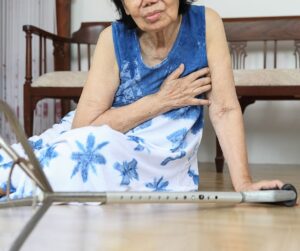
We all suffer from “house blindness”. We walk past the same fraying carpet edge every day. We step over the wobbly floorboard without thinking. We adapt to these quirks automatically. However, these small defects act as silent traps for an ageing relative. A loose rug might seem trivial to you. To someone with limited mobility, it represents a potential fall.
A safety check does not require a builder or a large budget. You only need fresh eyes and a spare afternoon. Here is how to scan your home for hidden hazards.
The Obstacle Course Under Your Feet
Start in the hallway. This area sees the most traffic. It often holds the most clutter. Look at the floor. Do you see throw rugs or runners? These items add warmth, but they cause countless accidents. A shuffling foot catches the edge easily.
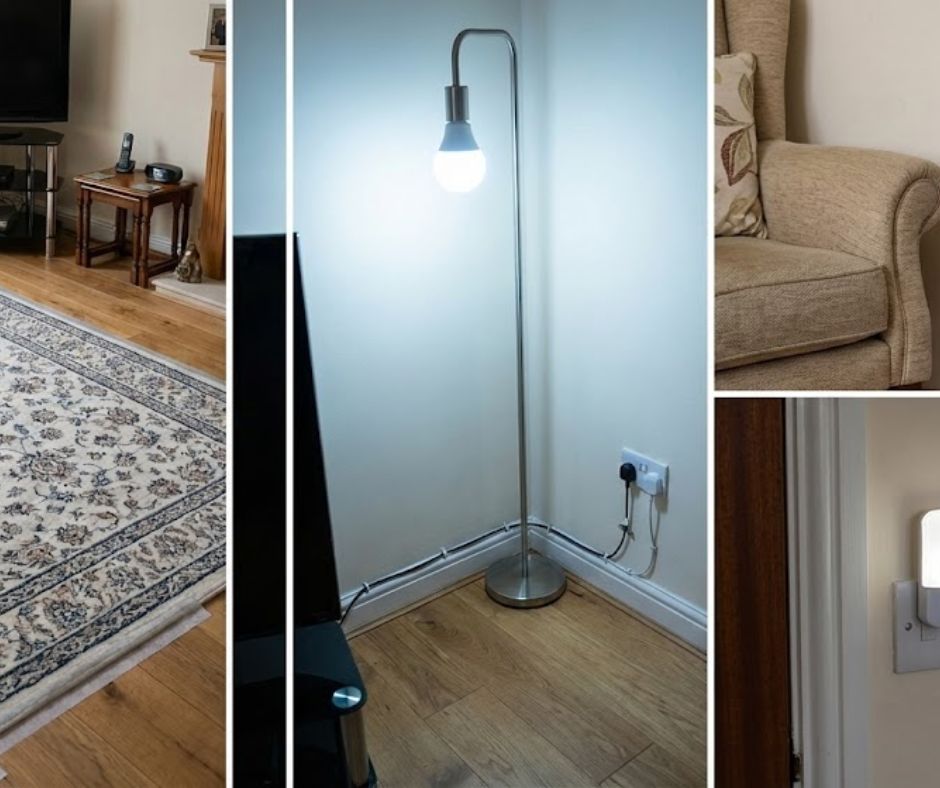
Remove loose mats if possible. If you must keep them, tape them down securely. Use heavy-duty, double-sided grip tape. The edges must sit completely flat.
Now, look at the lighting. Shadows hide dangers. As eyes age, they require more light to process depth and contrast. That “atmospheric” dim bulb in the corridor helps no one. Swap it for a bright, cool-white LED bulb. It instantly improves visibility.
Check for “cable spaghetti” too. Lamps, televisions, and radios often leave a trail of wires across walking paths. This invites disaster. Tuck cables behind heavy furniture. Use plastic cable clips to pin them along the skirting board. The path must remain completely clear.
Reaching Up and Slipping Down
The kitchen poses specific risks. Look at where you store everyday items. Where is the heavy teapot? Where are the favourite biscuits? If Mum has to stand on her tiptoes to reach them, change it.
Reaching overhead can cause dizziness. It shifts the centre of gravity. Move daily essentials to waist height. Keep the heavy items on the counter. No one should need a step stool to make a cup of tea.
Move to the bathroom next. Water and tiled surfaces make a slippery combination. A standard cotton bath mat often skates across the floor. Replace it with a non-slip version featuring a rubberised backing.
Consider the soap as well. A dropped bar of soap is slippery and hard to retrieve. Switch to a pump dispenser mounted on the wall. It removes the need to bend down in a tight shower cubicle.
Many people resist grab rails. They think it makes their home look like a hospital. However, modern designs look sleek and stylish. A chrome rail by the shower provides vital stability. It offers something to hold if a dizzy spell strikes.
Safety After Dark
Nighttime brings the highest risk of falls. Waking up confused in the dark is dangerous. A desperate rush to the toilet often ends in a tumble.
Walk the route from the bedroom to the bathroom. Is it clear? A pile of laundry or a pair of slippers becomes a major hazard at 3 AM. Keep this path sacred. Nothing should block it.
Install motion-sensor night lights. You can buy simple ones that plug straight into a wall socket. They cost very little. As soon as feet hit the floor, the path lights up softly. It removes the panic of fumbling for a light switch in the pitch black.
Finally, check the bed height. Sit on the edge. Do feet touch the floor flat? If the bed sits too high, sliding out feels scary. If it sits too low, pushing up requires immense strength. You can buy leg risers to adjust the height safely.
A safe home brings peace of mind. These small tweaks make a massive difference. You protect your loved one without wrapping them in cotton wool.