Living with dementia can feel like a voyage on an unfamiliar sea. Familiar landmarks of memory and routine may slowly fade away. The world can become a confusing place. During these times, the home environment becomes a powerful anchor. It is a known map filled with personal history and comfort. Staying at home offers a crucial sense of stability and identity. It acts as a familiar compass, providing direction when other guides fail. Care at home focuses on preserving this vital connection for as long as possible. It helps people live safely and with dignity in the place they know best.
The Comfort of the Known
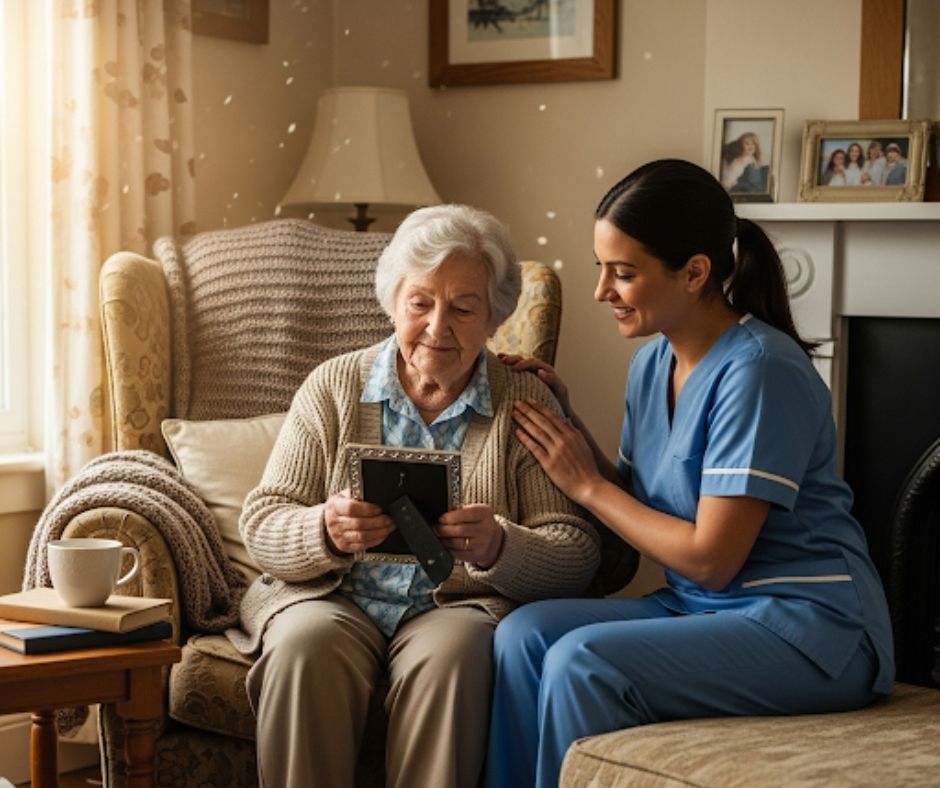
Think of your favourite armchair or the view from your kitchen window. These small details make a house a home. For a person with dementia, these elements are profoundly important. The scent of their own soap, the feel of a familiar blanket, the sound of the grandfather clock in the hall. All these sensory inputs reinforce a sense of self and safety. A new environment, like a residential home, can be disorienting. It can increase confusion and anxiety. By contrast, remaining at home keeps a person in their own story. They are surrounded by a lifetime of memories, which is a powerful comfort.
A Routine to Rely On
Predictability is a true friend to someone living with dementia. When short-term memory is affected, a consistent routine provides structure. It makes the world feel safer and more manageable. A home carer can help establish and maintain this gentle rhythm. Mealtimes happen at the same time each day. A morning walk follows a regular route. Afternoon activities provide gentle stimulation without being overwhelming. This predictable pattern reduces anxiety and can lessen challenging behaviours. It removes the stress of constantly guessing what happens next. The daily routine becomes a reliable map for each day’s journey.
More Than a Carer, A Companion
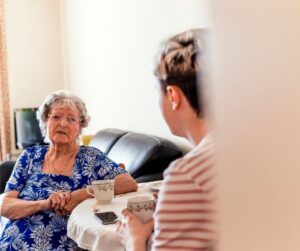
The support a home carer provides goes far beyond practical tasks. They become a consistent, friendly presence in a person’s life. This relationship is central to wellbeing. It combats the loneliness and isolation that can accompany dementia. A carer is someone to share a cup of tea with. They are a partner for a jigsaw puzzle or a listener for old stories. They learn what soothes, what amuses, and what brings a smile. They can manage difficult moments with patience and understanding. This one-to-one human connection is arguably the greatest benefit. It is a steady hand to hold through the ups and downs of the journey.