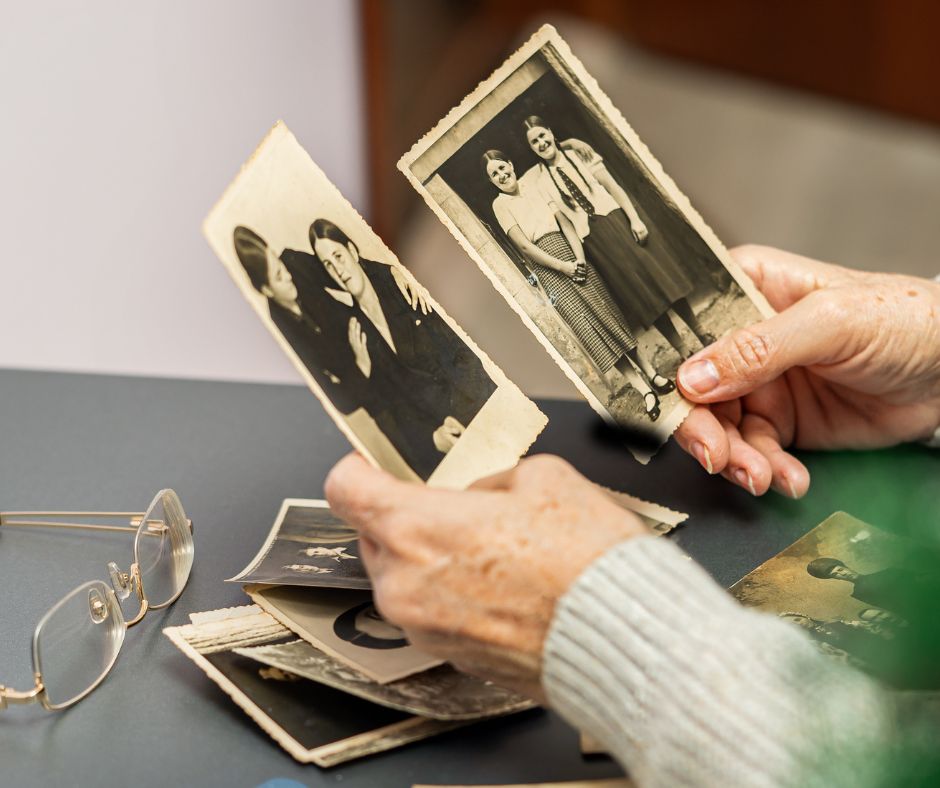
A dusty shoebox tucked under the bed often holds more than just paper and ink. It contains a lifetime of birthdays, seaside holidays, and quiet Sunday afternoons. Opening that box is like stepping into a time machine. For many of us, these old photographs are the keys to doors we thought were locked forever. Keeping these memories alive through scrapbooking is not just a hobby. it is a powerful way to keep the mind sharp and the heart full.
Sparking the Light of Memory
Memory can be a slippery thing as the years pass by. You might forget what you had for lunch, but the smell of your grandmother’s kitchen remains vivid. Photographs act as a bridge to these deep-seated recollections. When you look at a picture of a 1950s street party, your brain begins to fire in new ways. You start to remember the sound of the music and the taste of the sandwiches. This process is called reminiscence therapy. It is a brilliant tool for maintaining cognitive health.
I spent an afternoon with a lady named Vera who had become quite withdrawn. We pulled out her old wedding album. Her eyes lit up the moment she saw a photo of her father in his best suit. “He was so nervous he dropped the ring,” she chuckled. That one image opened a floodgate of stories. We spent hours talking about her childhood home and her first job. This kind of mental exercise keeps the brain active and engaged. It pulls the past into the present, giving us a firm sense of who we are. Shared memories create a golden thread between generations.
The Creative Joy of Scrapbooking
Starting a scrapbook is a wonderful project for any rainy afternoon. It turns a pile of loose photos into a structured story. This activity requires focus, coordination, and a bit of imagination. You have to decide which pictures belong together. Perhaps you create a page dedicated to “Summer Holidays” or “Our First Home.” Making these choices keeps your executive brain functions working hard. It is a gentle way to stay organised while having fun.
You can add more than just photos to your pages. Tape in a cinema ticket from a first date or a pressed flower from a special bouquet. Use a bright pen to write down the names of the people in the shots. This is very important for the future. We often think we will always remember the faces, but names can fade. Writing them down is a gift to your children and grandchildren. It turns a simple book into a family treasure. The physical act of cutting, sticking, and arranging is also great for keeping your hands nimble. It is a sensory experience that feels much more rewarding than scrolling through a phone screen.
Connecting Through Shared Stories
Sharing your photos is just as important as organising them. Invite a friend over for tea and a “trip down memory lane.” Lay the photos out on the table and let the conversation flow. This social interaction is vital for mental well-being. It prevents the feeling of isolation that can sometimes settle in later life. You might find that your friend remembers details you had forgotten. “Oh, I remember that blue dress!” they might say. These shared moments of laughter and reflection are pure magic.
In this fast-paced world, we often take hundreds of digital photos that we never look at again. Printing them out and holding them in your hand makes them real. It gives them weight and value. You can even involve the younger members of the family. Show your grandson a photo of yourself at his age. He will be amazed to see you in bell-bottom trousers or with a different hair colour! It helps him see you as a whole person with a rich history. These stories are the heritage you leave behind. They ensure that your journey is never forgotten. So, go and find that shoebox today. There is a world of magic waiting inside.