Osteoarthritis is a common condition that affects millions of people in the UK. It particularly impacts the elderly population. It can cause back and neck pain. Simple tasks like getting out of bed or walking to the grocery store become a challenge. In this guide, we will delve into the intricacies of osteoarthritis and how it affects the elderly in the UK. From understanding the condition to managing symptoms, this article aims to provide a comprehensive overview for those dealing with osteoarthritis or caring for someone who does.
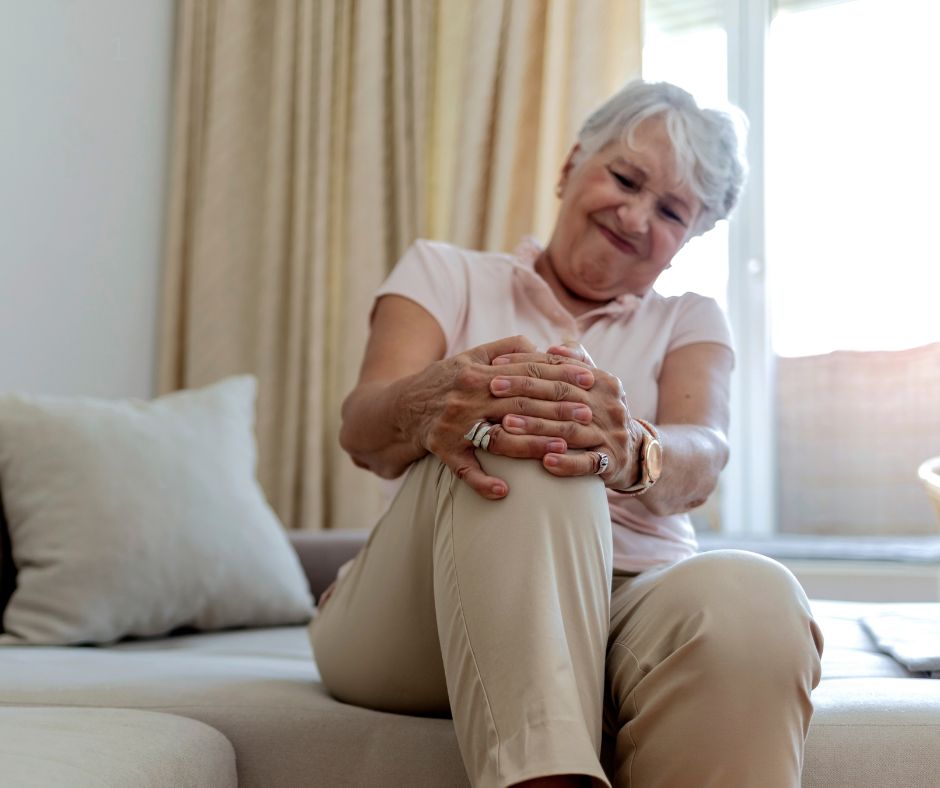
Osteoarthritis, also known as degenerative joint disease, is a chronic condition that causes the cartilage in the joints to wear down over time. This can lead to pain, stiffness and reduced mobility. The condition particularly affects weight-bearing joints such as the knees, hips and spine. While it can affect people of all ages, it is most common in the elderly. Over 8 million people in the UK over the age of 45 live with osteoarthritis.
One of the most common symptoms of osteoarthritis is back and neck pain. As the cartilage in the spine wears down, it can put pressure on the nerves and cause pain, stiffness and limited range of motion. This can significantly impact the quality of life for the elderly. Simple tasks like bending down to pick something up or turning their head to look over their shoulder can become excruciatingly painful.
In addition to physical discomfort, osteoarthritis can significantly impact the mental and emotional well-being of the elderly. Chronic pain can lead to depression, anxiety and social isolation. Individuals may find it challenging to participate in activities they once enjoyed. This can result in a decline in overall health and increase the risk of other health conditions.
So, what can be done to manage the impact of osteoarthritis on the elderly? The first step is to understand the condition and its symptoms. While there is no cure for osteoarthritis, various treatment options are available to help manage pain and improve mobility. These include over-the-counter pain relievers, prescription medications, physical therapy and lifestyle changes such as weight loss and exercise.
It is also essential for the elderly to have a strong support system in place. Family members, caregivers and healthcare professionals can provide emotional support. They can assist with daily tasks that may be challenging for those with osteoarthritis. They can also help monitor symptoms and ensure that the individual is receiving proper treatment and care.
In the UK, there are also government-funded programs and resources available to help the elderly manage osteoarthritis. These include home care services, transportation assistance and support groups. Individuals and their families must research and utilise these resources to improve their quality of life.
Prevention is also key when it comes to osteoarthritis. While it is a natural part of aging, steps can be taken to reduce the risk of developing the condition. Maintaining a healthy weight and staying physically active can help. Avoiding repetitive stress on the joints is also crucial to prevent or delay the onset of osteoarthritis.
Osteoarthritis can have a significant impact on the elderly in the UK, particularly with regard to back and neck pain. However, with proper understanding and support, the effects of this condition can be minimised. If you or a loved one is dealing with osteoarthritis, know that you are not alone. There are resources and treatments available to help improve quality of life.